Top Sealife to Spot in Devon
From dolphins cutting through the waves to seals peering out from rocky coves, Devon’s coast gives wildlife lovers plenty of reasons to keep their eyes on the water. And recently, there have been some particularly exciting visitors too, including Atlantic bluefin tuna, whales and unusually large numbers of common octopus.
Staying at Hazelwood Holiday Park in Dawlish Warren puts you in a handy South Devon base for exploring it all. You can start close to home around Dawlish and the Exe Estuary, head further along the coast to wildlife-watching spots including Berry Head and Start Point, or take to the water on a Devon Sea Safari for another perspective on the coastline.
So, pack the binoculars – and perhaps the snorkel – as we take a look at some of the top sea life to spot in Devon.
Watch Atlantic bluefin tuna at Start Point
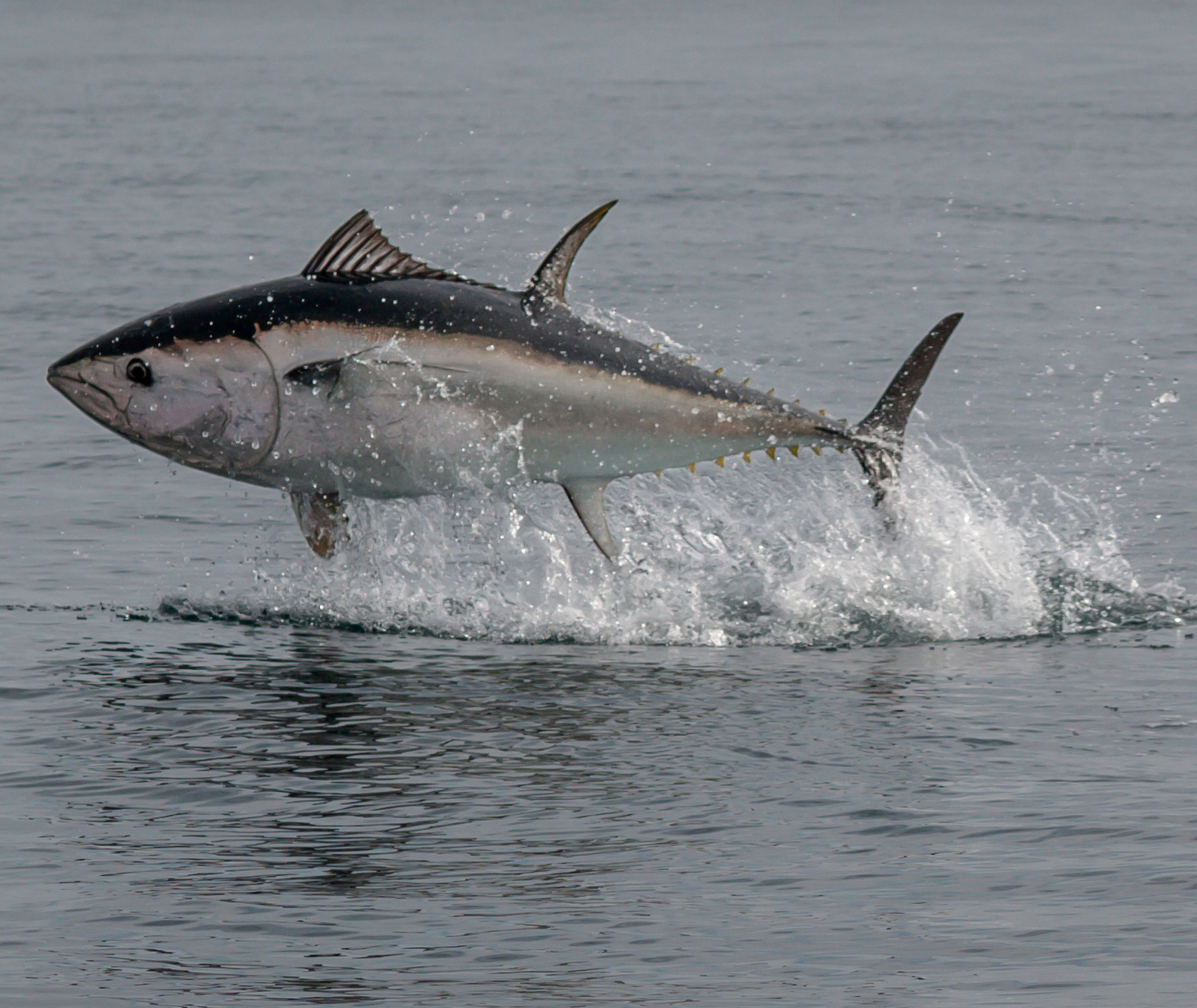
Seeing a tuna might conjure up thoughts of somewhere much more tropical, but Atlantic bluefin tuna are once again being recorded in increasing numbers around the South West.
These are seriously impressive fish, particularly when they are feeding near the surface. One good place to scan the water is Start Point in South Devon, where bluefin tuna have previously been seen feeding and even leaping clear of the water.
There are never guarantees with wild animals, of course, but Start Point’s sweeping views across the sea make it a rewarding wildlife-watching day out whether the tuna make an appearance or not.
For another chance to experience Devon’s marine wildlife from sea level, a Devon Sea Safari can also take you out along the South Devon coast, where every trip brings the possibility of a different encounter.
Look for grey seals around Start Point
Tuna aren’t Start Point’s only marine residents.
The rocky coastline here is also a good place to look for Atlantic grey seals. Unlike some of Devon’s more fleeting marine visitors, grey seals are resident around Start Point and can often be spotted bobbing in the surf or hauled out around rocky areas.
Dolphins and harbour porpoises can pass through too, so it pays to keep watching the wider sea rather than concentrating on one spot.
Bring binoculars, give wildlife plenty of space and combine your seal spotting with a walk towards Start Point Lighthouse or along the South West Coast Path.
If seeing wildlife from the water appeals, joining a Devon Sea Safari is another way to search for seals and other marine species without relying entirely on distant sightings from the cliffs.
Spot dolphins and porpoises from Berry Head
If the children are hoping to see dolphins during your South Devon holiday, Berry Head near Brixham deserves a place on your list.
The headland provides huge views across Torbay and the open sea. Harbour porpoises are regularly seen offshore, while dolphins can also be recorded further out. Bluefin tuna may appear during summer and autumn too.
On a calm day, find yourself a good viewpoint, settle down with the binoculars and watch for fins breaking the surface. Harbour porpoises tend to surface more quietly than dolphins, so patience pays off.
And don’t forget to look upwards as well as out to sea: Berry Head is also an important seabird site, making it a great all-round wildlife day out.
Alternatively, a Devon Sea Safari from Teignmouth can take you along this stretch of coastline, offering another opportunity to look for common dolphins, harbour porpoises, seals and seabirds from the water.
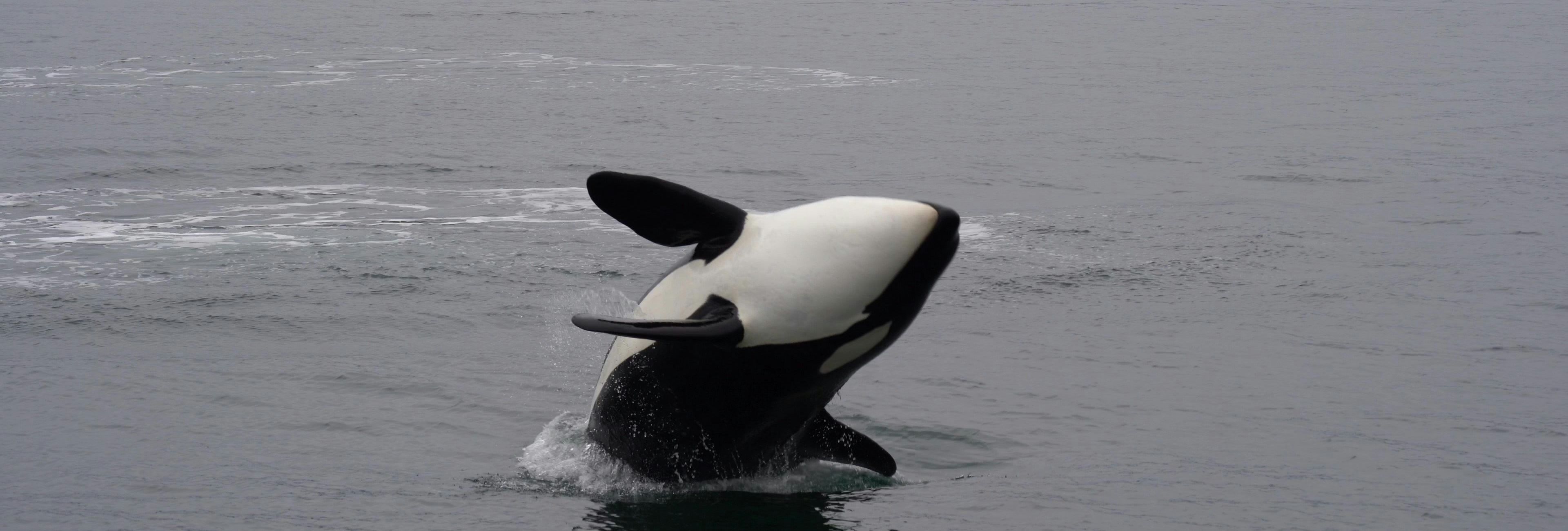
Could you see a whale – or even an orca – in Devon?
Whale sightings around Devon are unusual, which makes them all the more exciting when they happen.
Minke whales have previously been recorded around the Devon coast, including around Berry Head. They are the smallest of the rorqual whales and usually travel alone or in small groups. In the English Channel they remain relatively rare, so consider any sighting a very special bonus rather than something you can expect to find on demand.
Even more extraordinary is the possibility of an orca, or killer whale. In June 2018, there were two reported orca encounters in Devon waters. Footage taken by a family kayaking in Plymouth Sound was assessed by staff at the National Marine Aquarium, who said the animal showed characteristics consistent with an orca.
Later that month, Robert Hughes of Devon Sea Safaris reported what he believed to be another orca off the Devon coast, with contemporary news coverage describing the sighting as off Torquay and in the wider Lyme Bay area. It was an exceptionally rare encounter rather than evidence that orcas are regular visitors to South Devon, but it certainly shows why keeping an eye on the water can occasionally bring a surprise.
Whether you are watching from a clifftop or heading out on a Devon Sea Safari, you never quite know what might be travelling through Devon’s waters.
Go snorkelling during Devon’s octopus bloom
One of Devon’s biggest marine wildlife stories of 2026 is happening beneath the surface.
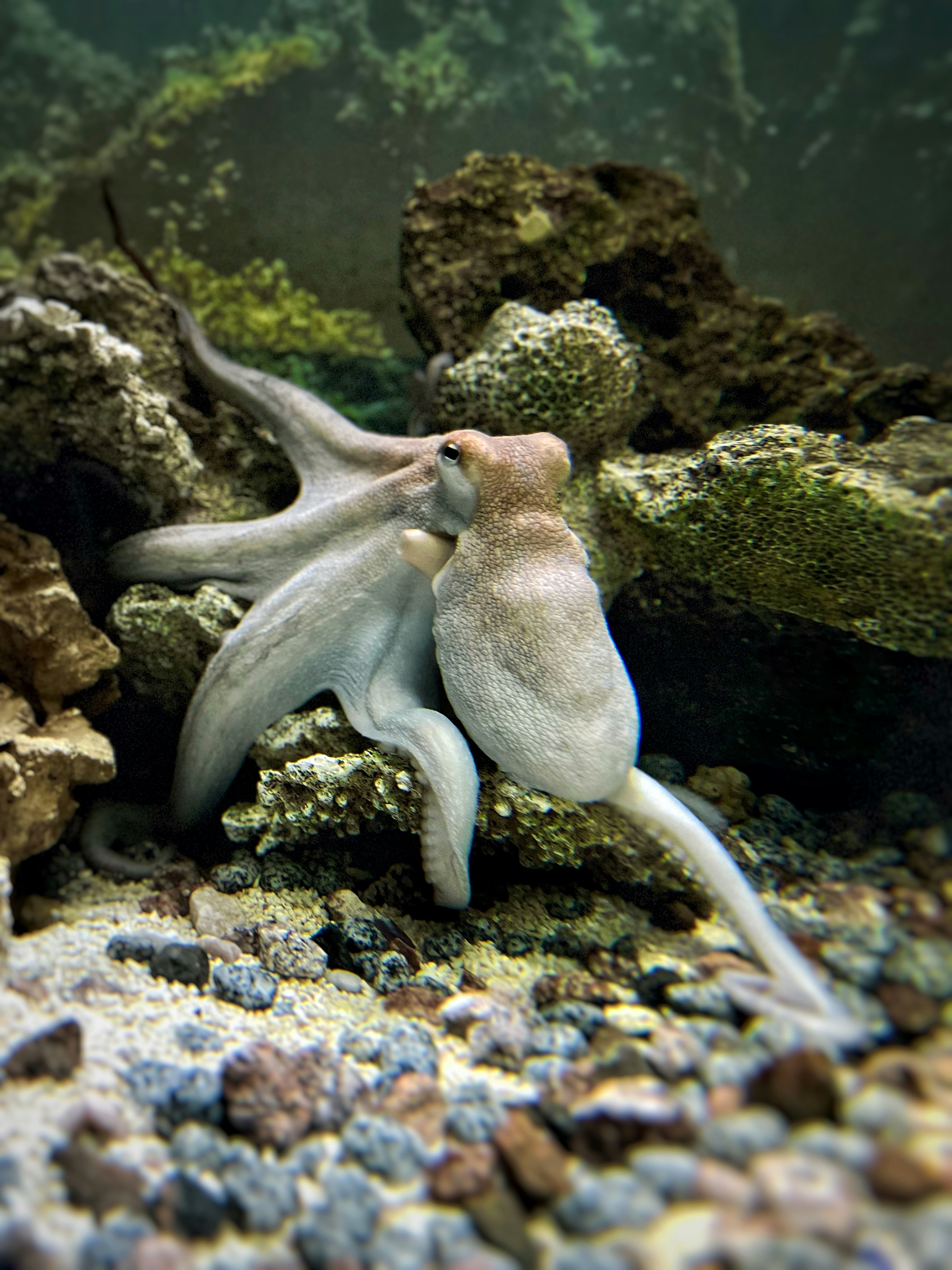
Scientists have been studying an extraordinary rise in numbers of common octopus around South West England. Although it has sometimes been described as an “octopus invasion”, researchers use the term octopus bloom, with the current event reported as the largest recorded in at least 75 years.
For holidaymakers, it adds another fascinating creature to look out for while exploring Devon’s underwater world.
Wembury Bay, near Plymouth, is a particularly good place to discover South Devon’s marine life. Its rocky reefs are known for wildlife, while guided snorkel sessions can provide a more accessible introduction to what lies beneath the waves.
These experiences cannot guarantee an octopus encounter, but they can help families discover the rocky habitat in which all sorts of marine species live.
If you do spot an octopus, enjoy the encounter without touching or disturbing it. Snorkellers and divers can also report sightings to help scientists understand more about the current bloom.
Take a Devon Sea Safari close to Hazelwood
You don’t always need to travel far from Dawlish Warren to begin exploring Devon’s marine environment.
Boat trips operate along the South Devon coast, giving visitors a chance to swap watching the sea from the shore for getting out onto the water.
A Devon Sea Safari from Teignmouth is particularly convenient for guests staying at Hazelwood Holiday Park. Trips head along the coastline towards Torbay, with potential sightings including common dolphins, harbour porpoises, seals and seabirds.
Exactly what you might see will always depend on the time of year, weather and the wildlife itself – which is part of the excitement.
A Devon Sea Safari can also be a good choice for families who want to see more of South Devon’s coastline during their stay, with views of cliffs, coves and wildlife habitats that can look completely different from the water.
There are also boat trips available around Dawlish, Starcross and the Exe, providing plenty of options for incorporating a coastal adventure into your holiday.
Make Hazelwood your base for a Devon wildlife holiday
The wonderful thing about marine wildlife is that no two days are quite the same. One afternoon might bring a seal watching you from the water; another could produce dolphins off Berry Head. You might spot bluefin tuna at Start Point, explore rock pools and reefs in search of octopus or head out on a Devon Sea Safari to see what is travelling through South Devon’s waters.
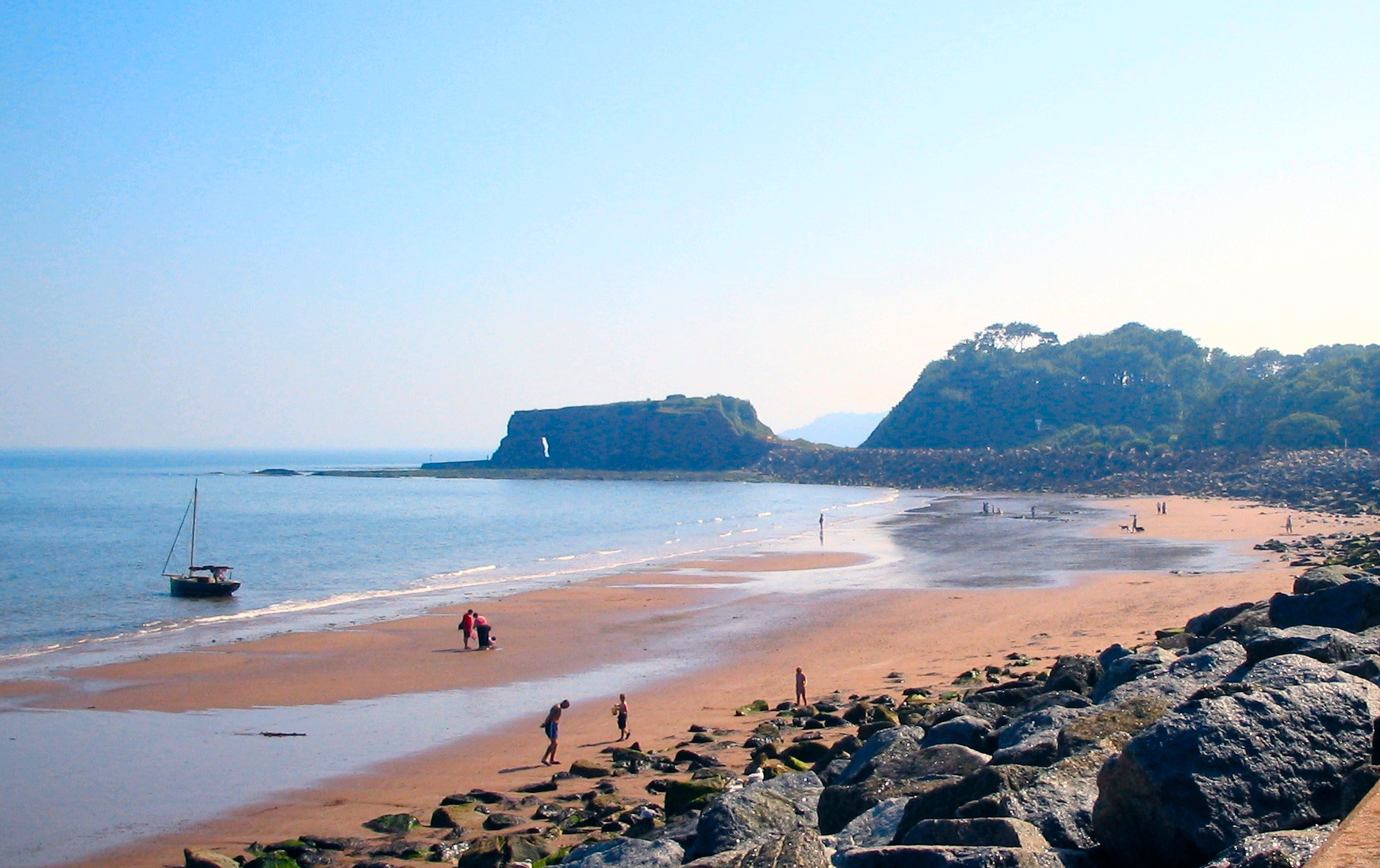
With Dawlish Warren beach and nature reserve close at hand and so much of the South Devon coastline ready to explore, Hazelwood Holiday Park gives families, couples and wildlife lovers a relaxed base for discovering more of Devon.
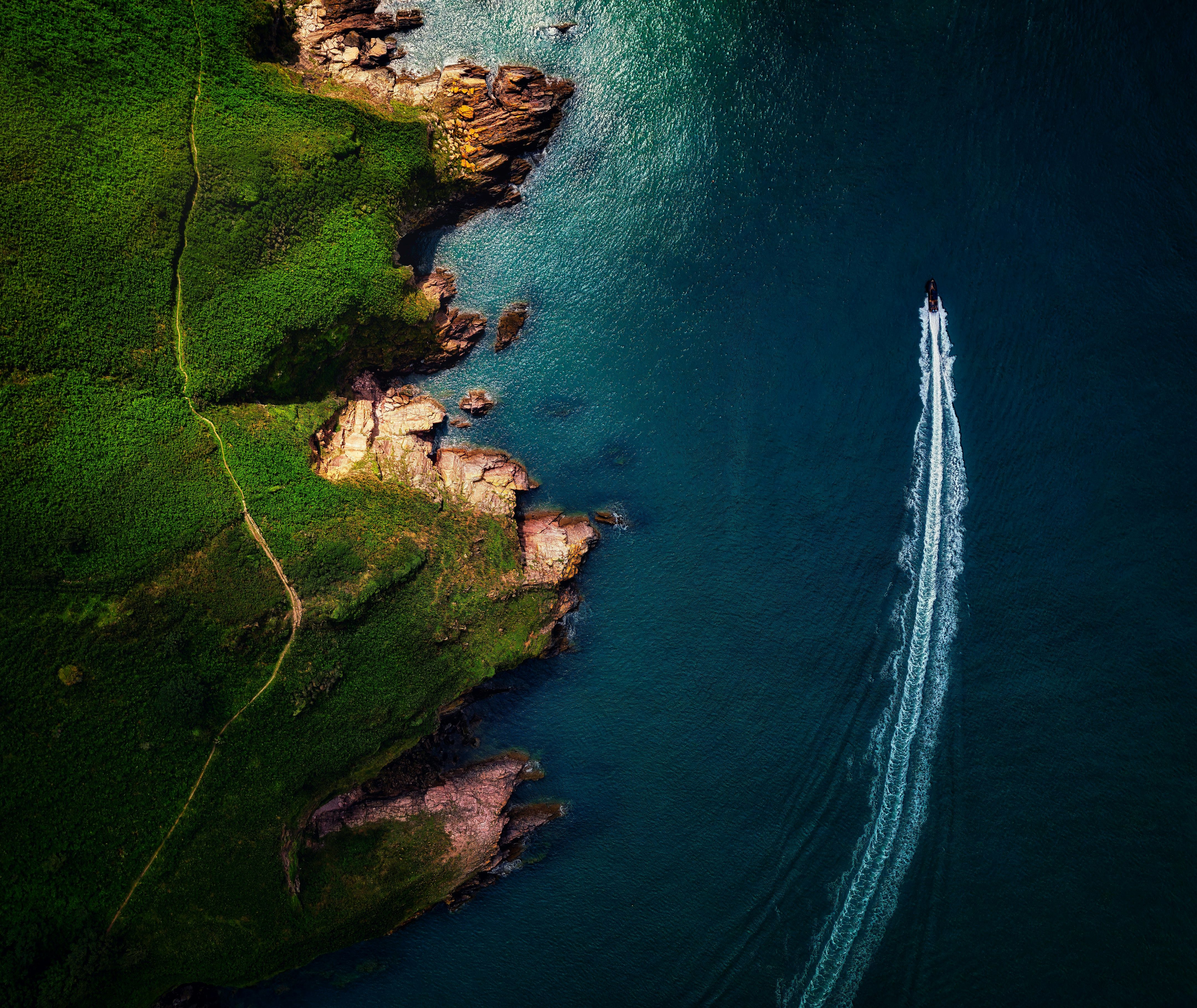
Your Devon Sea Safari Awaits
Spend the day scanning the waves, walking coastal paths, snorkelling over rocky reefs or joining a Devon Sea Safari, then return to Hazelwood for more space to relax in our peaceful 38-acre grounds.
Ready to discover what’s swimming off the Devon coast?
Explore our self-catering accommodation and plan your South Devon holiday at Hazelwood Holiday Park.